What is coffee contract manufacturing?
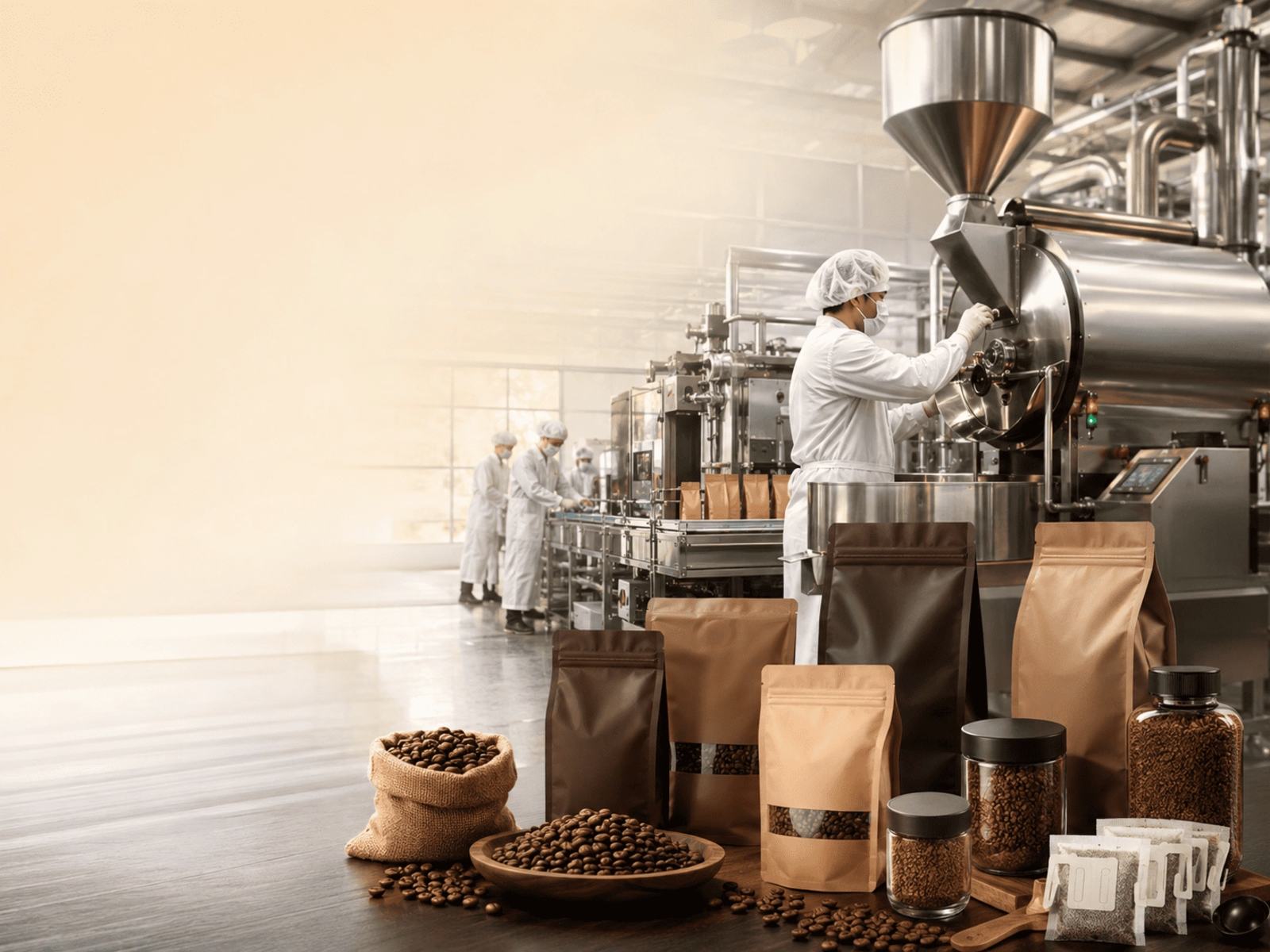
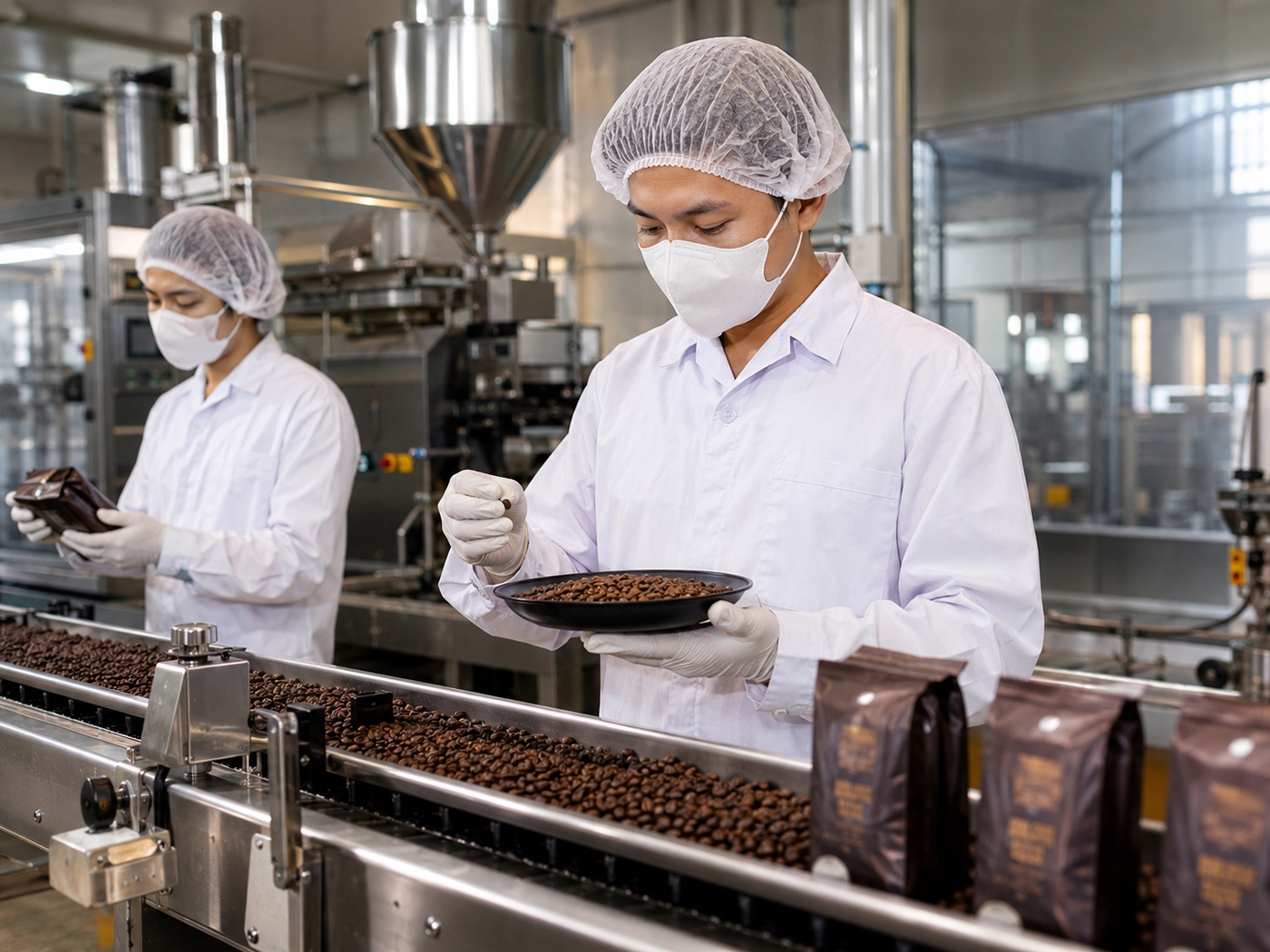
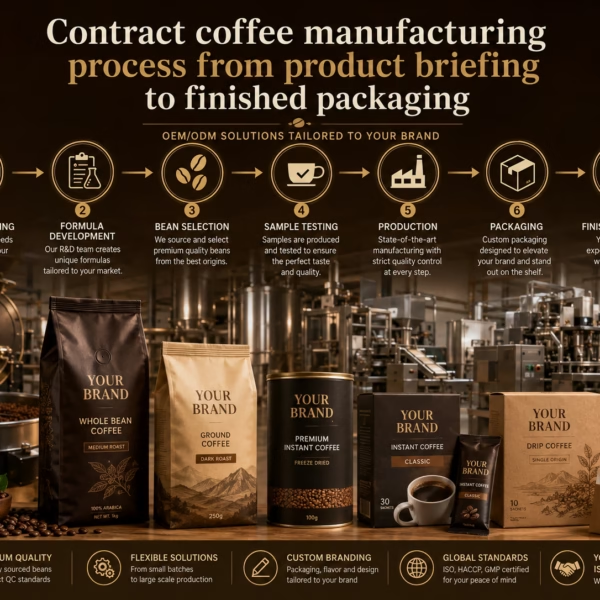
Coffee contract manufacturing is a service in which a factory produces, controls, and packages coffee products according to the requirements of the ordering brand. Depending on the project, the factory may receive an existing formula or work with the customer to develop a new one.
What is the difference between coffee OEM and ODM?
OEM focuses on manufacturing according to a formula, standard, and format already defined by the customer. ODM additionally includes research, product-line recommendations, formula development, and sample testing. In practice, the scope should be clearly stated in the quotation and project agreement.
What types of coffee products does HUCAFOOD manufacture?
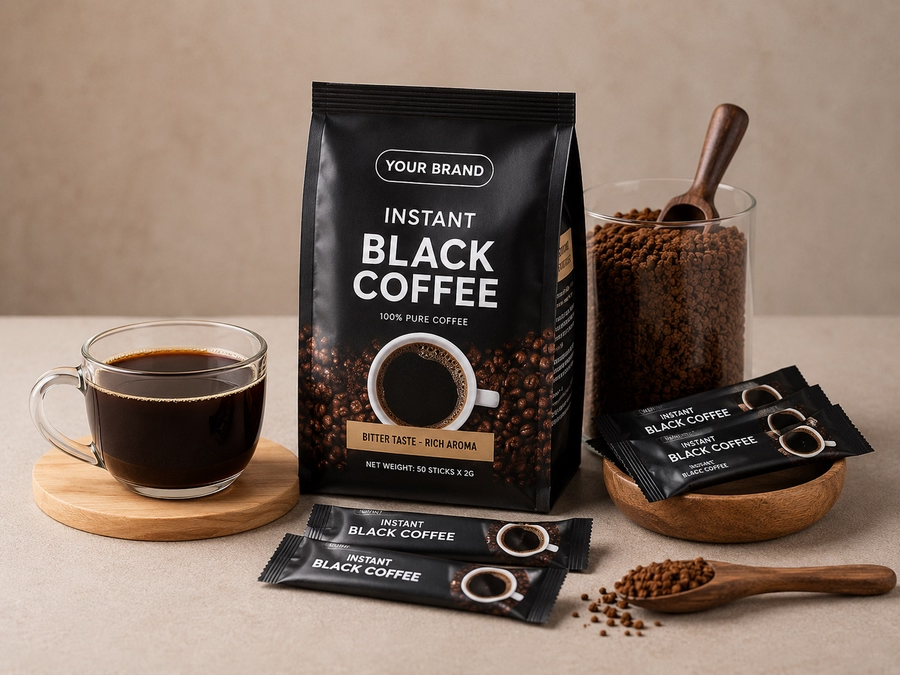
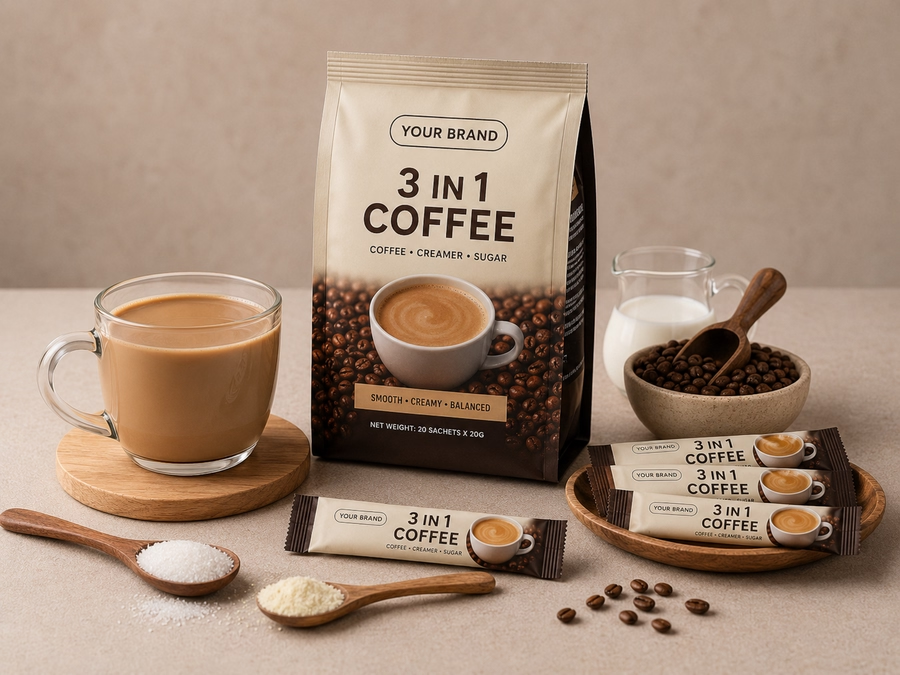
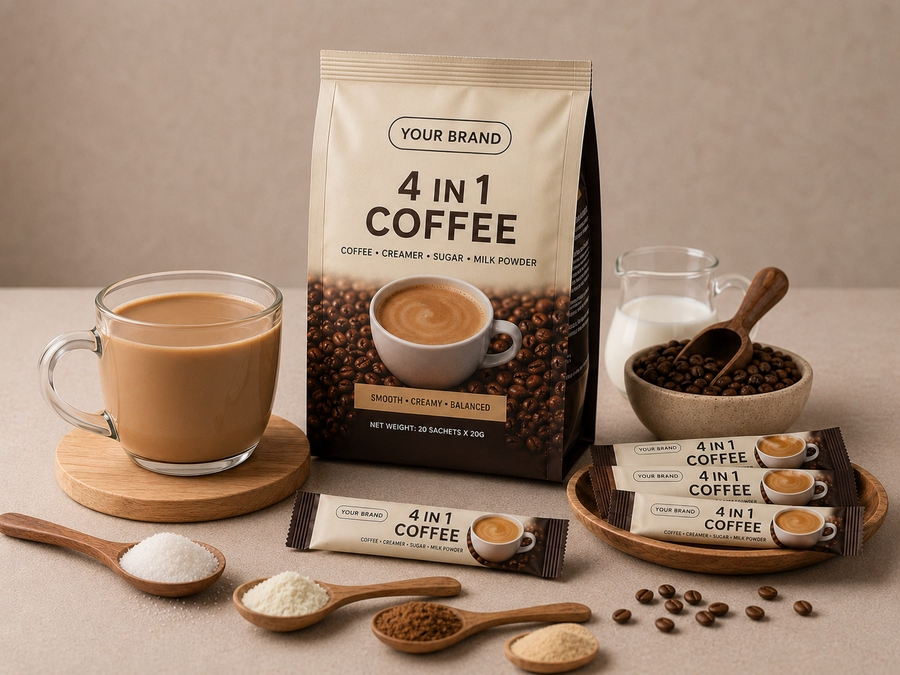
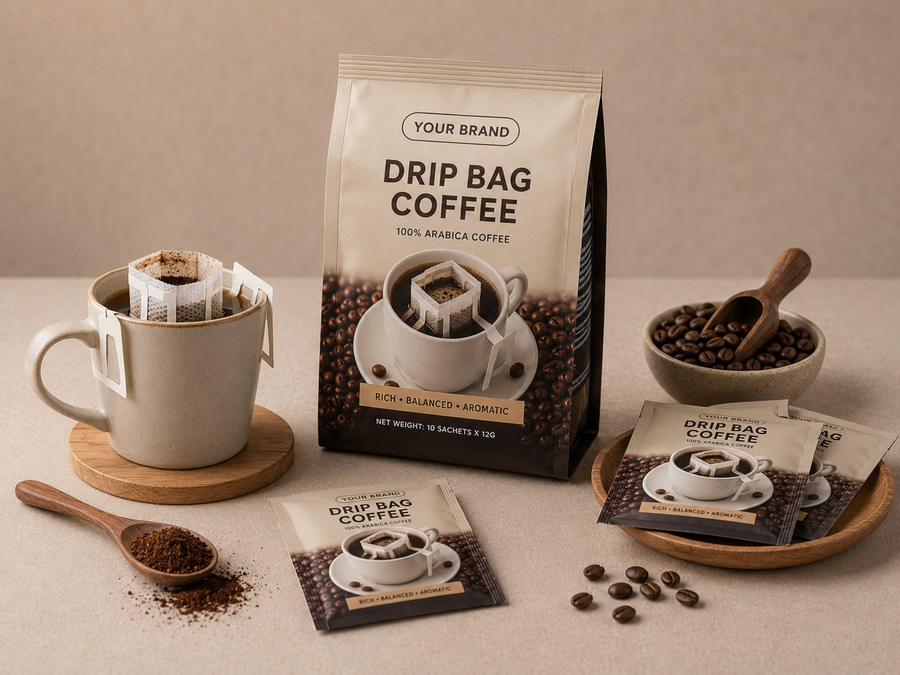
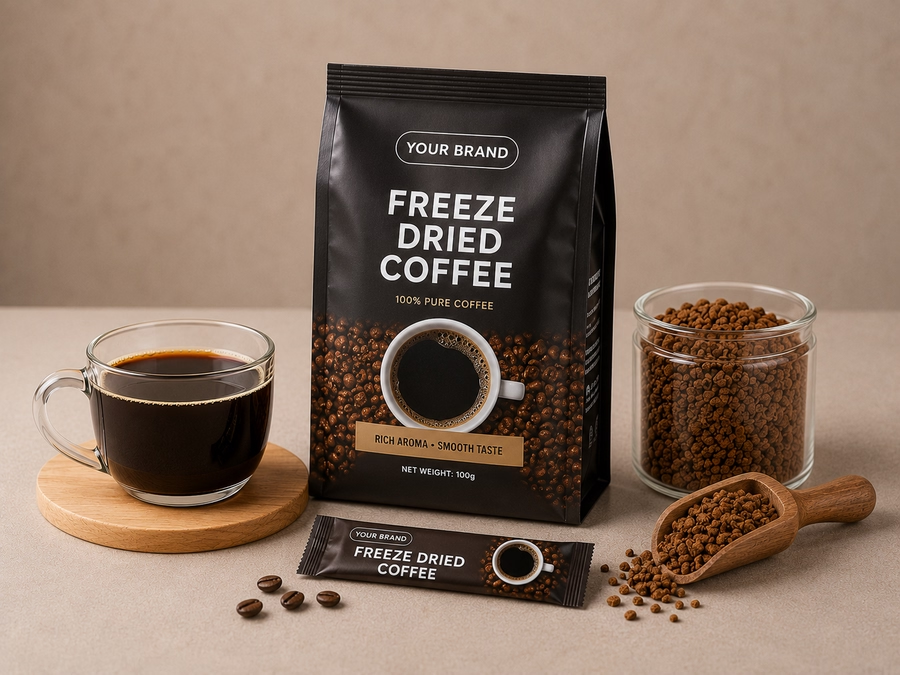
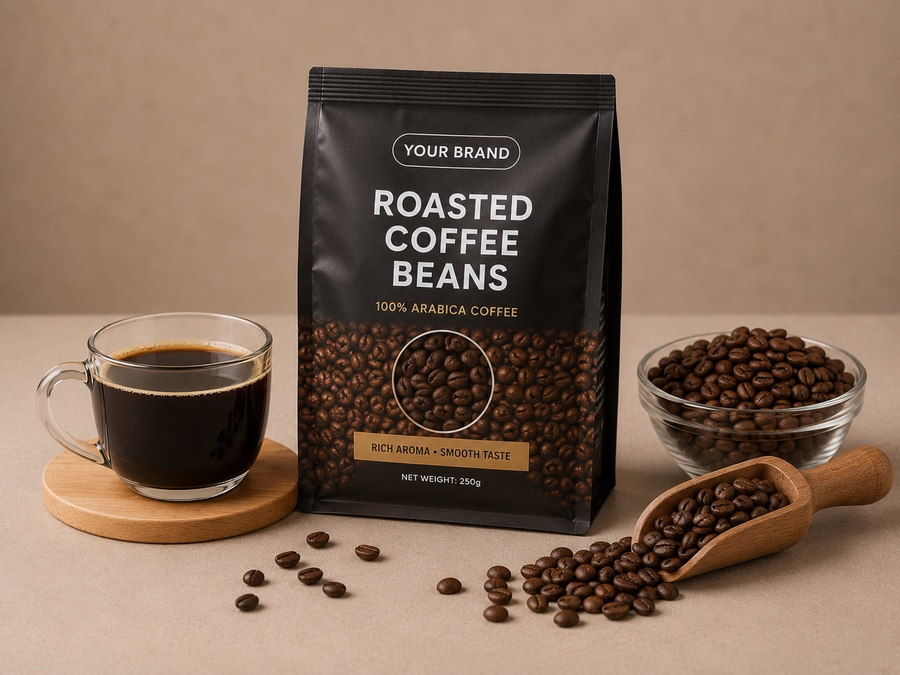
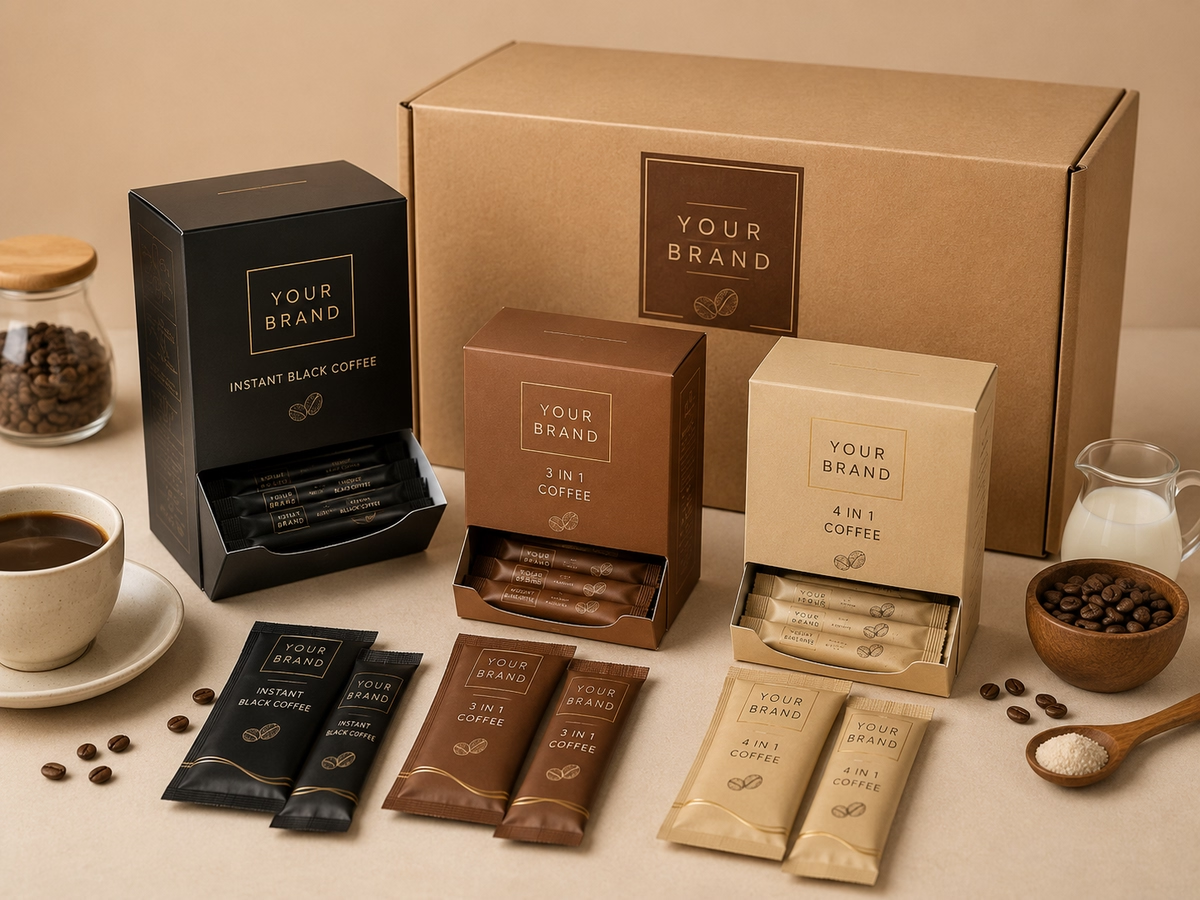
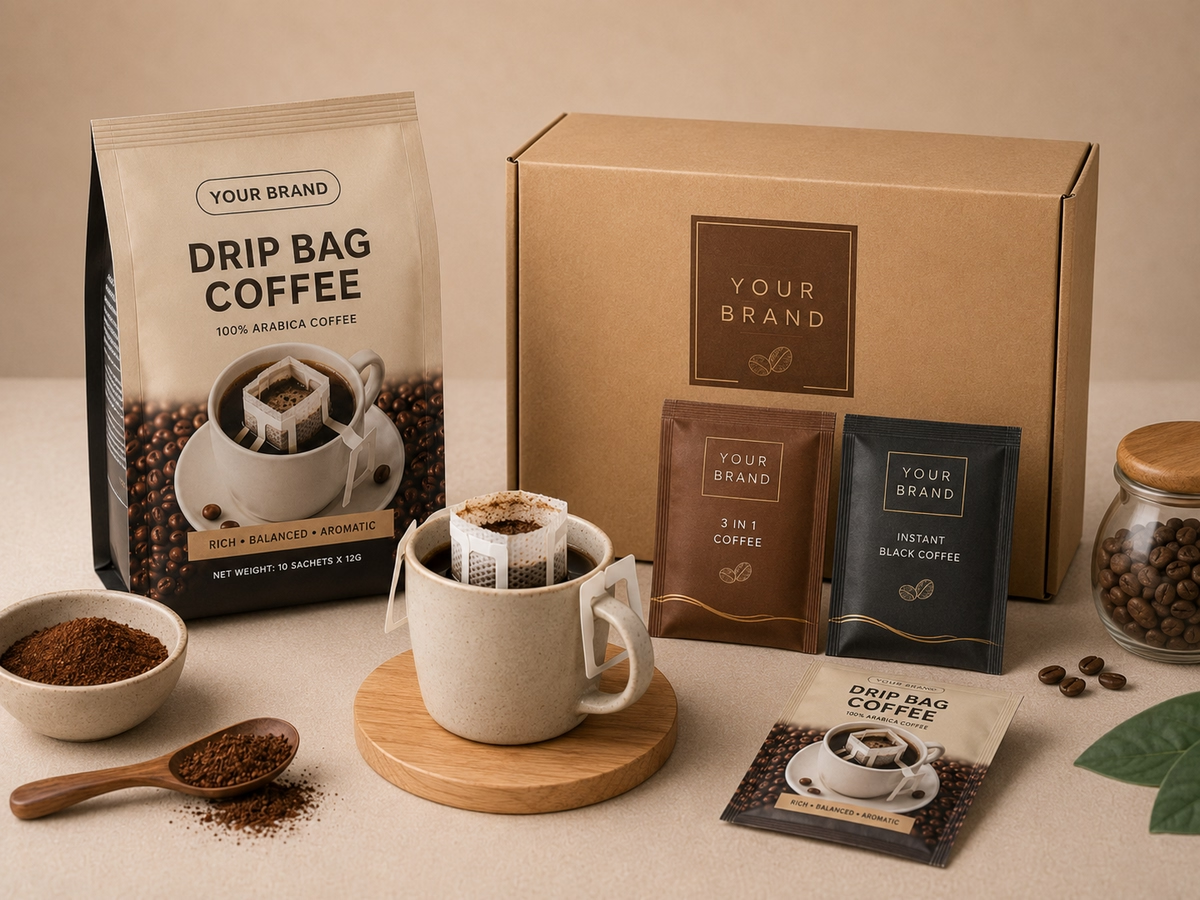
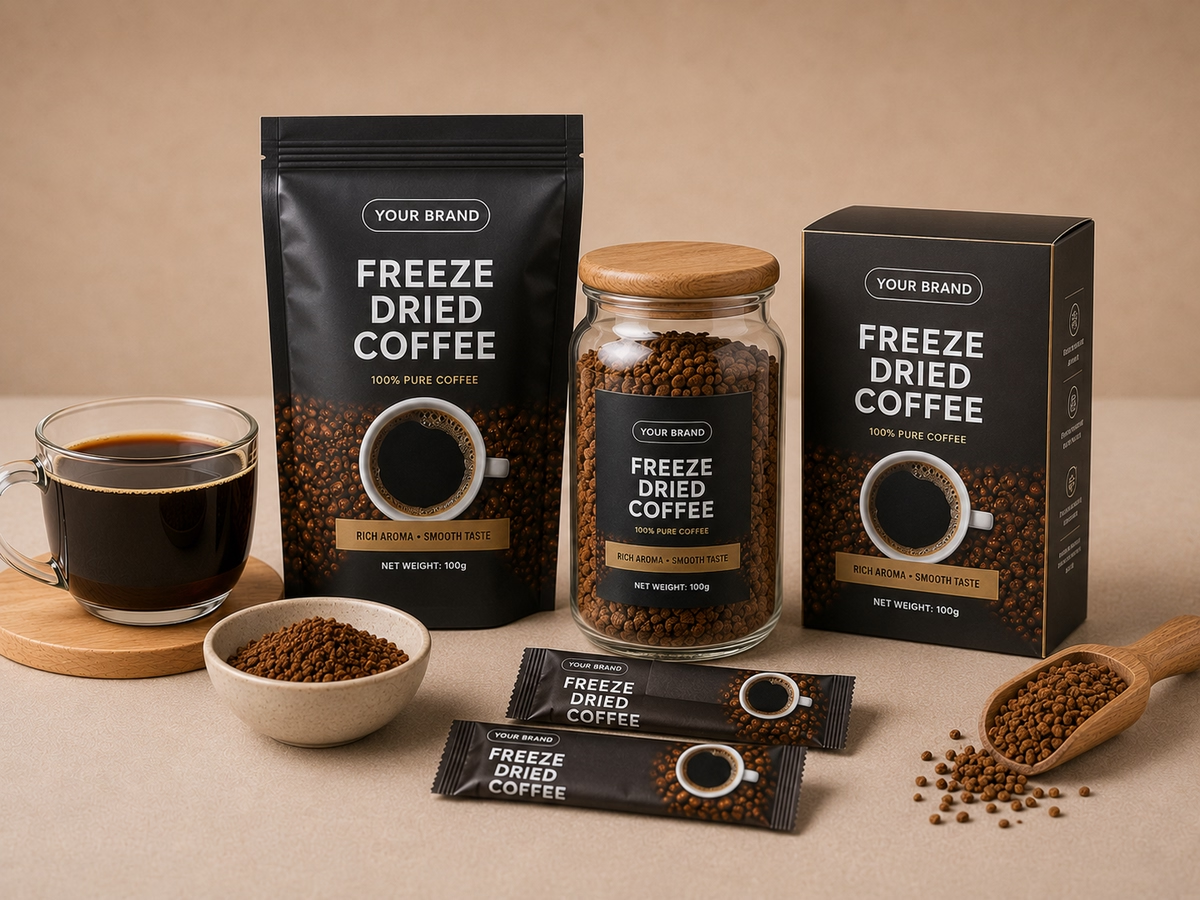
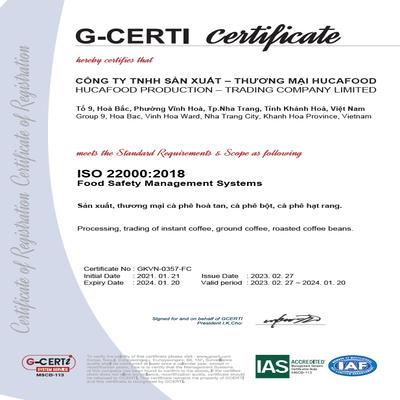
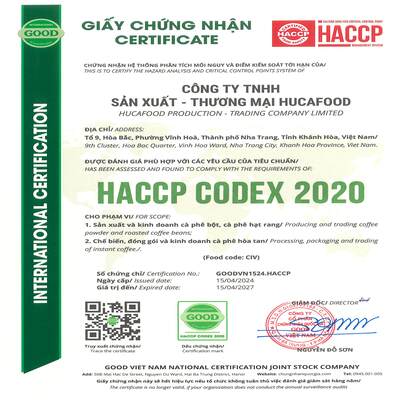
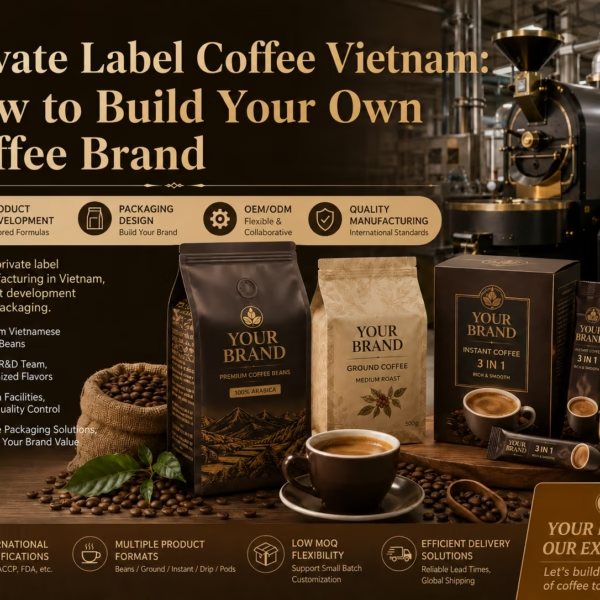
The main product lines include black instant coffee, 3-in-1 instant coffee, 4-in-1 instant coffee, drip bag coffee, freeze-dried instant coffee, roasted coffee beans, and ground coffee made from Arabica, Robusta, or custom blends.
Can HUCAFOOD develop a custom flavor profile?
Yes. Adjustments may involve strength, bitterness, aroma, sweetness, creaminess, aftertaste, roast profile, blend ratio, grind size, or solubility depending on the product line.
What is the minimum order quantity for coffee manufacturing?
MOQ depends on the product, formula, serving weight, packaging material, number of SKUs, and packaging method. The exact quantity should only be confirmed after the factory receives a sufficiently detailed brief.
What information is needed for an accurate quotation?
A useful quotation normally requires the product type, expected formula or flavor direction, serving weight, packaging format, number of SKUs, first-order quantity, target market, and any documentation or labeling requirements. Without these details, a price can only be treated as a rough reference.
Can HUCAFOOD support export-oriented private label coffee projects?
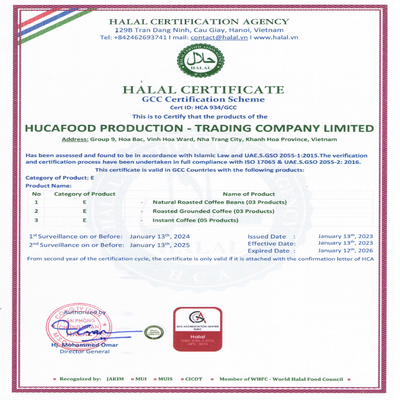
Yes. Export projects can be evaluated according to the destination market, label language, carton format, importer requirements, and agreed product documentation. Buyers should provide these requirements early because they may affect formula selection, packaging, lead time, and project feasibility.
How long do sample development and production take?
A reference timeline is 7–15 days for sample development and 15–30 days for production after the reference sample, packaging, and quantity are approved. The timeline may change for projects involving many SKUs, multiple sample revisions, or custom packaging.
Do you support OEM packaging and labeling?
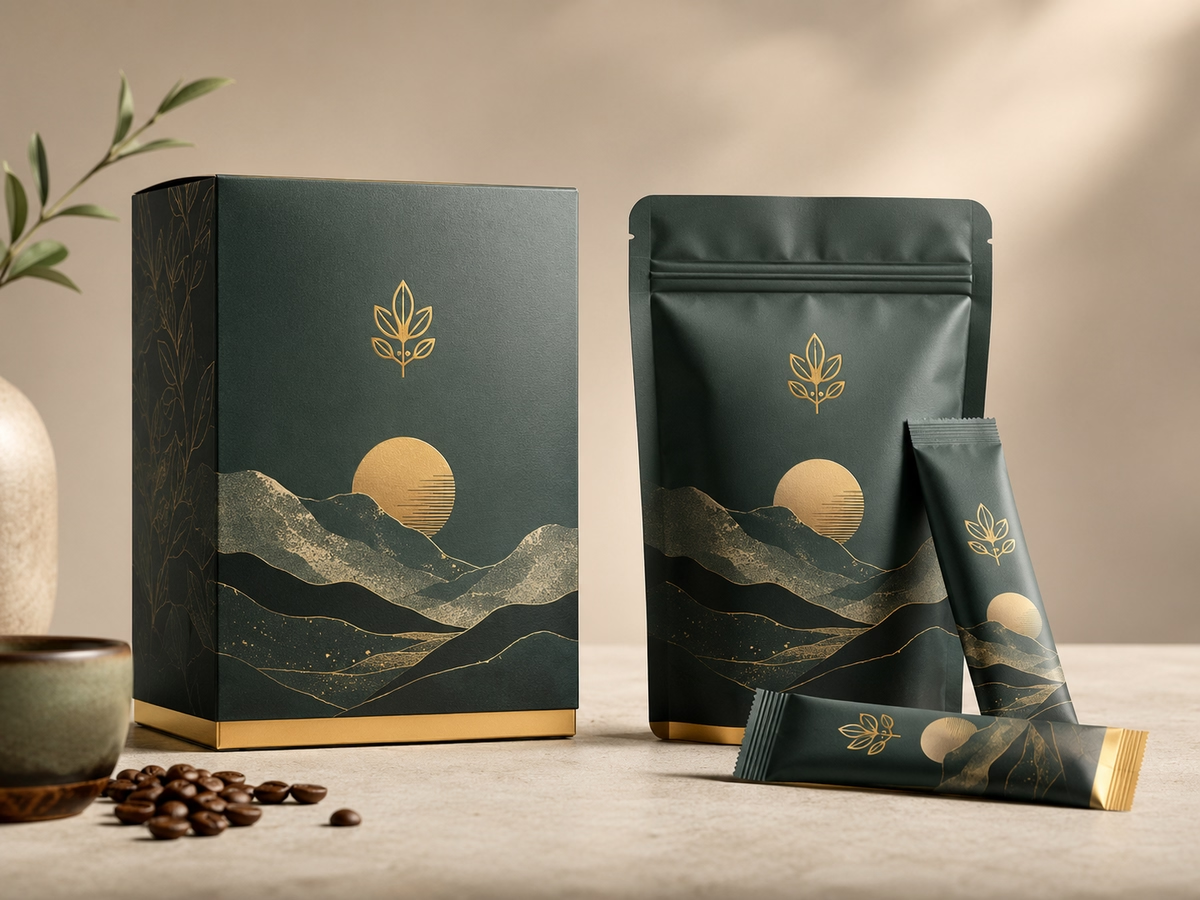
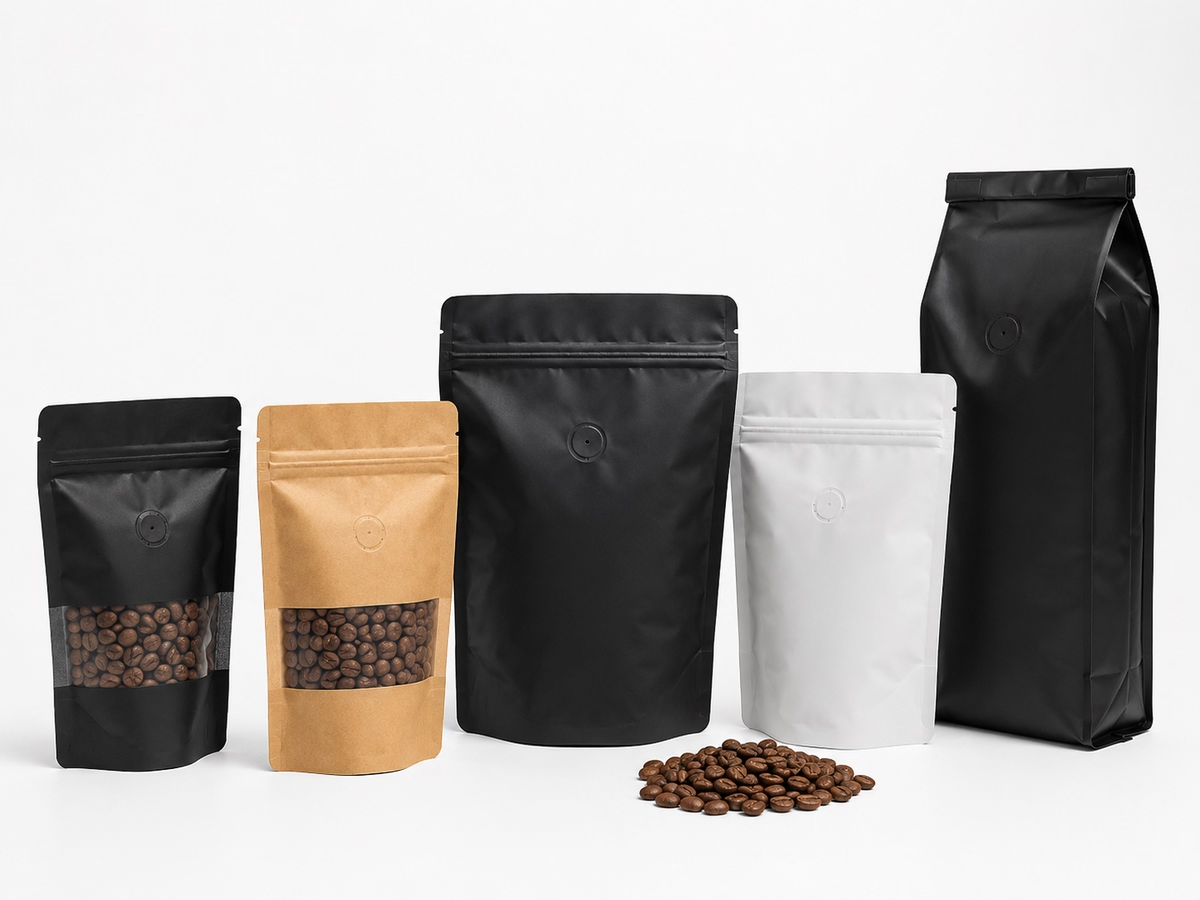
Yes. The scope may include packaging-format selection, serving weight, sachet count per box, and implementation according to the customer’s brand identity. Label content should be reviewed according to the product characteristics and target market.
How can differences between the approved sample and production be minimized?
Both parties should approve the reference sample, sensory parameters, serving weight, and tolerances before production. Any changes to ingredients, formula, or packaging should also be clearly recorded. Finished products should be compared with the approved reference sample under the agreed control plan.
Are formulas and brand information kept confidential?
Project information, formulas, and brand details are kept confidential according to the agreement between both parties. Special confidentiality requirements should be stated in the contract or project appendix.