


Private Label Instant Coffee: From Formula Development to Retail Packaging
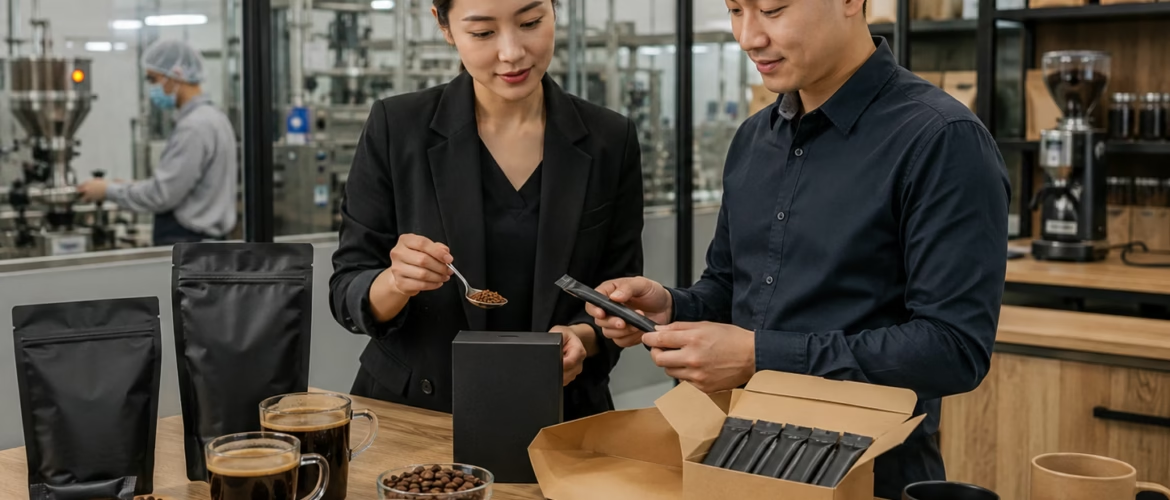
Private label instant coffee allows importers, distributors, retailers and new coffee brands to sell instant coffee under their own brand without building a production and packing facility. Depending on the project, the manufacturer may support product positioning, formula development, sampling, sachet or stick packing, labeling and commercial production.
Products may include black instant coffee, 2-in-1 coffee, 3-in-1 coffee, Vietnamese milk coffee, cappuccino premixes or another approved concept. A successful project requires more than placing a logo on a standard formula. The coffee profile, sweetness, creaminess, solubility, serving size, packaging and target price must work together.
What Is Private Label Instant Coffee?
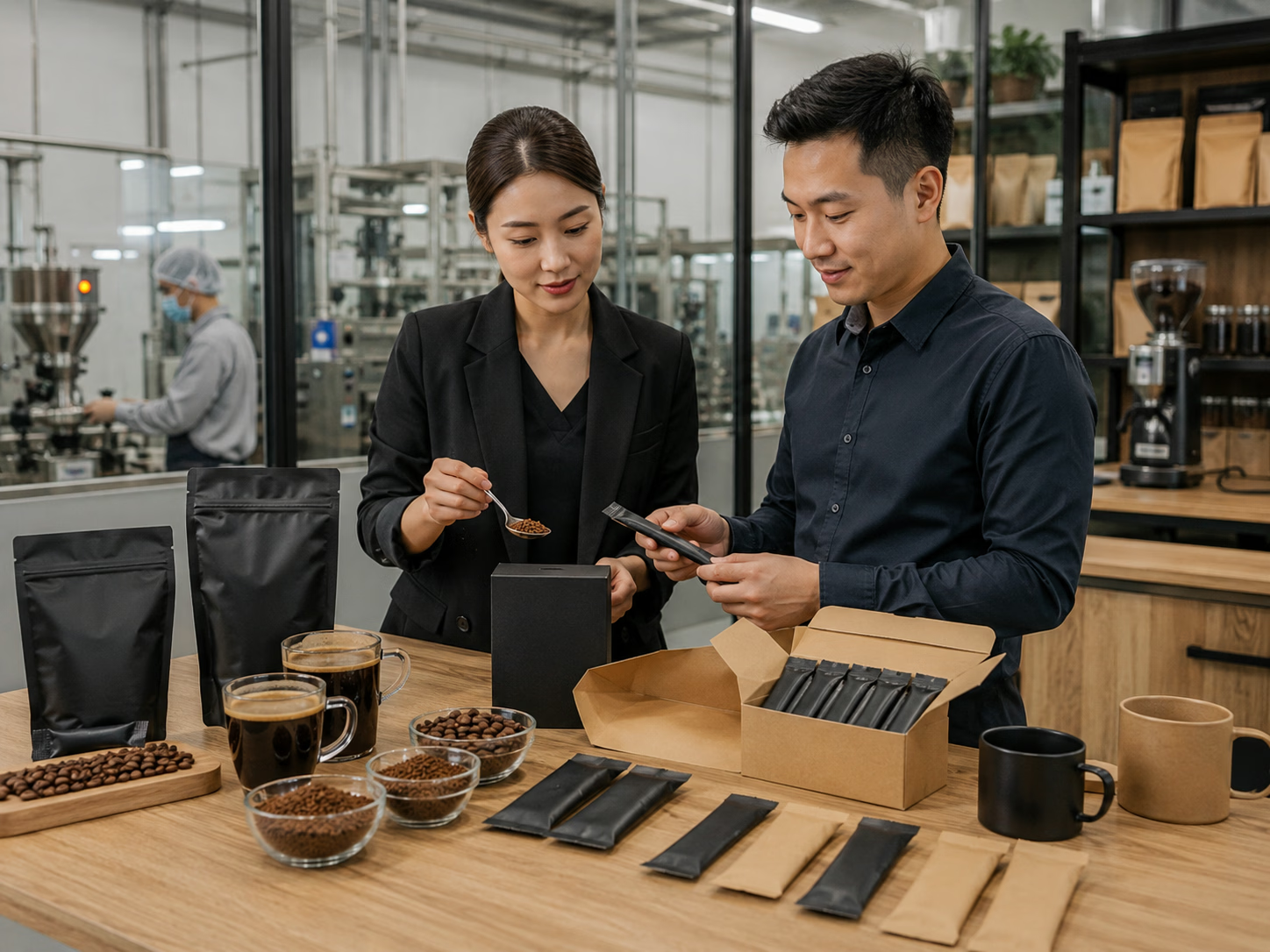
Private label instant coffee is a soluble coffee product manufactured by a supplier and sold under the buyer’s own brand. The product can be based on an existing formula, a modified standard formula or a newly developed product brief.
A private label project may include:
- Target-market review.
- Product and formula selection.
- Sample development.
- Sensory adjustment.
- Serving-size confirmation.
- Packaging selection.
- Label and artwork coordination.
- Commercial manufacturing.
- Quality inspection and packing.
Which Instant Coffee Products Can Be Private Labeled?
| Product | Typical positioning | Key development points |
|---|---|---|
| Black instant coffee | Unsweetened, convenient, office or travel use | Coffee strength, aroma, bitterness and solubility |
| 2-in-1 coffee | Simple convenience formula | Clear definition of the two components |
| 3-in-1 coffee | Mass market, retail, office and export | Balance of coffee, sweetness and creaminess |
| Vietnamese milk coffee | Strong coffee with a Vietnamese identity | Bold coffee profile, sweetness and milk character |
| Cappuccino or latte premix | Café-style convenience drink | Foam, aroma, sweetness and mouthfeel |
| Bulk instant coffee | Food service, repacking or industrial use | Particle type, specification and packing format |
Who Should Consider Private Label Instant Coffee?
- Importers developing products for a local market.
- Distributors expanding into branded consumer goods.
- Retailers creating store-brand coffee.
- E-commerce sellers launching convenient coffee products.
- Hotels and offices requiring single-serve coffee.
- Existing coffee brands adding an instant range.
- FMCG companies extending their beverage portfolio.
How to Define the Product Before Sampling
A manufacturer cannot develop a commercially relevant sample from the instruction “make a good instant coffee.” Buyers should provide a product brief that explains the intended customer, market, price and flavor direction.
| Brief item | Example |
|---|---|
| Target market | Supermarket retail in Southeast Asia |
| Consumer | Office workers seeking a strong but convenient coffee |
| Product | 3-in-1 instant coffee |
| Flavor | Strong coffee, medium sweetness, moderate creaminess |
| Serving size | 18 g stick or sachet |
| Packaging | 20 single-serve packs per retail box |
| Price position | Affordable mid-market product |
Key Formula Factors
Coffee base
The coffee base affects strength, aroma, color, bitterness and aftertaste. Black instant coffee exposes the quality of the coffee more directly, while premixes require the coffee to remain noticeable after sugar and creamer are added.
Sweetness
Sweetness should match the target market rather than the personal preference of the buyer’s internal team. Reducing sugar can increase the perceived bitterness and may require a broader formula adjustment.
Creaminess
Creaminess affects mouthfeel and drinkability. Too much can cover the coffee profile, while too little may make the drink feel thin or unbalanced.
Aroma
Aroma should be evaluated before and after preparation. A strong dry-powder aroma that disappears immediately after adding water may not deliver the intended customer experience.
Solubility
The product should be tested using the recommended serving size, water quantity and water temperature. Buyers should observe lumps, surface residue, settling and overall texture.
Aftertaste
Aftertaste is important for repeat purchase. The drink should match its intended positioning without leaving an unpleasant burnt, overly sweet or heavy finish.
Private Label Instant Coffee Development Process
- Define the target market and consumer.
- Select the instant coffee product category.
- Set the flavor direction and target cost.
- Develop the initial formula.
- Produce samples.
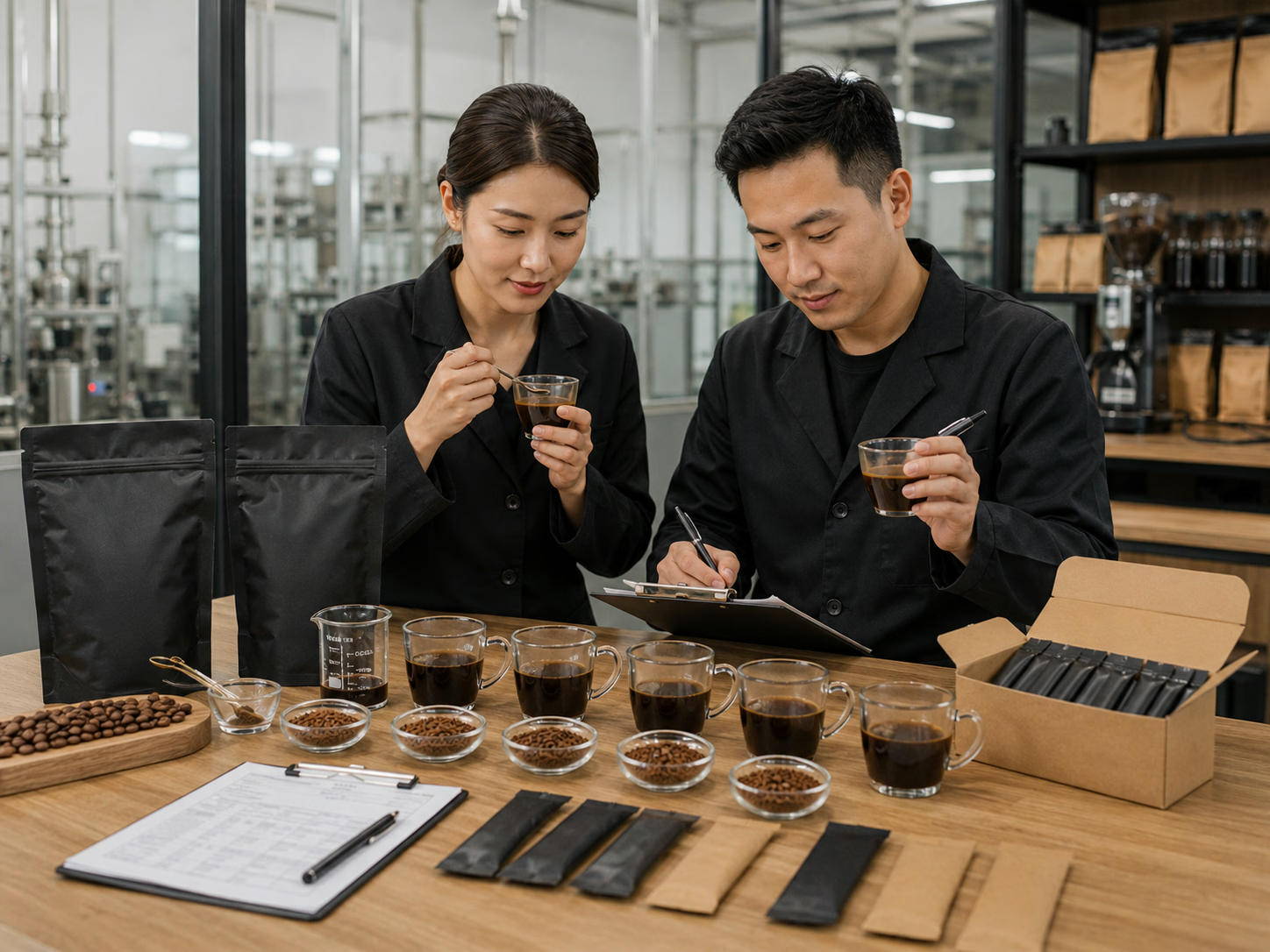
- Test aroma, taste, solubility and serving size.
- Provide specific revision feedback.
- Approve the final sample and specification.
- Select the packaging format.
- Complete artwork and label information.
- Schedule commercial manufacturing.
- Inspect, carton and deliver the order.
How to Evaluate an Instant Coffee Sample
Buyers should evaluate samples under realistic conditions rather than only in a meeting room. Use the planned serving weight, water quantity and preparation instructions.
A practical sample scorecard may include:
- Dry aroma.
- Aroma after preparation.
- Coffee intensity.
- Bitterness.
- Acidity.
- Sweetness.
- Creaminess.
- Solubility.
- Color.
- Aftertaste.
- Willingness to drink a second serving.
Feedback such as “increase coffee impact while keeping the same sweetness” is more useful than “make it stronger.”
Stick Pack, Sachet, Jar or Bulk Pack?
| Format | Advantages | Suitable channels |
|---|---|---|
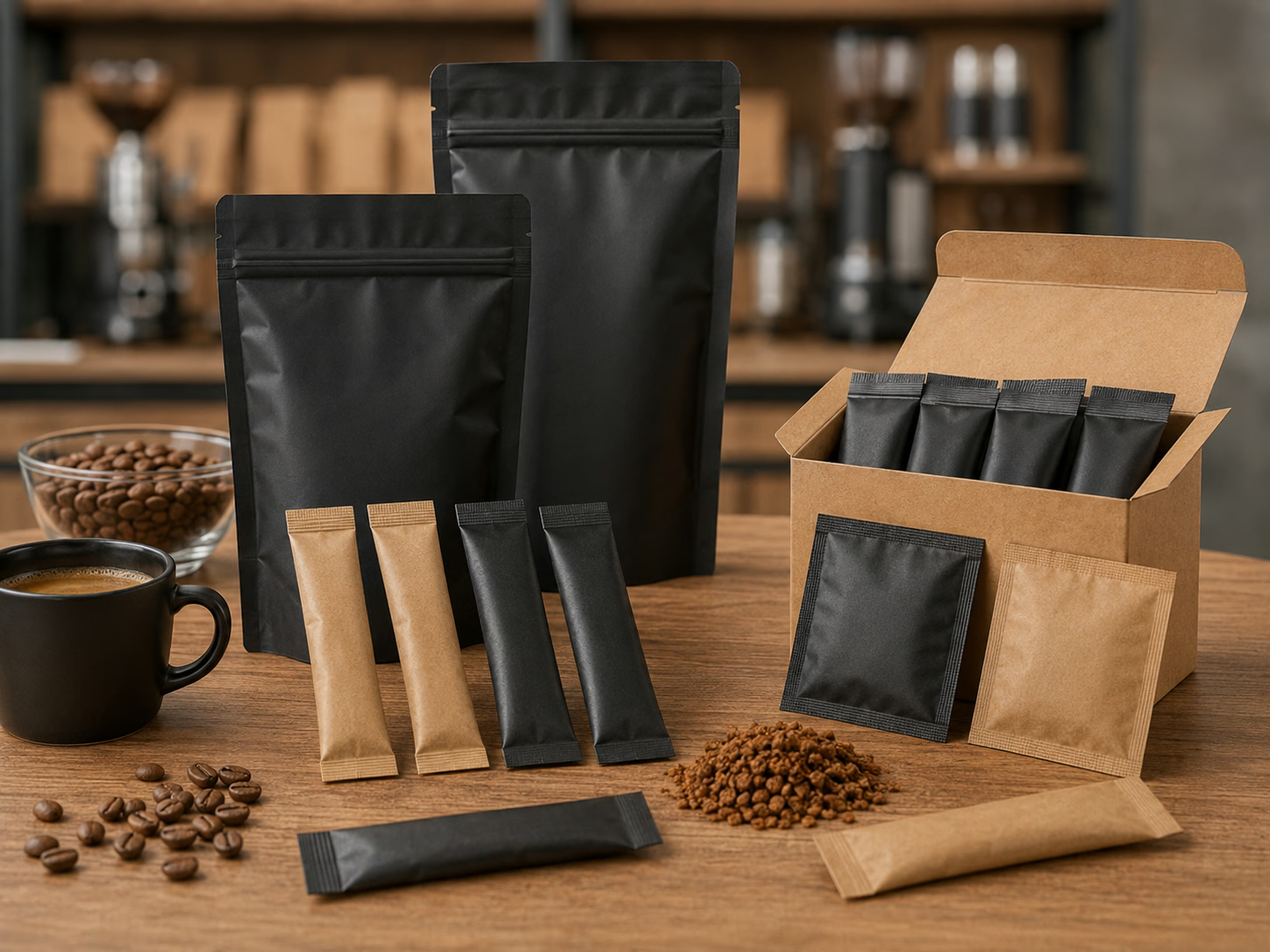
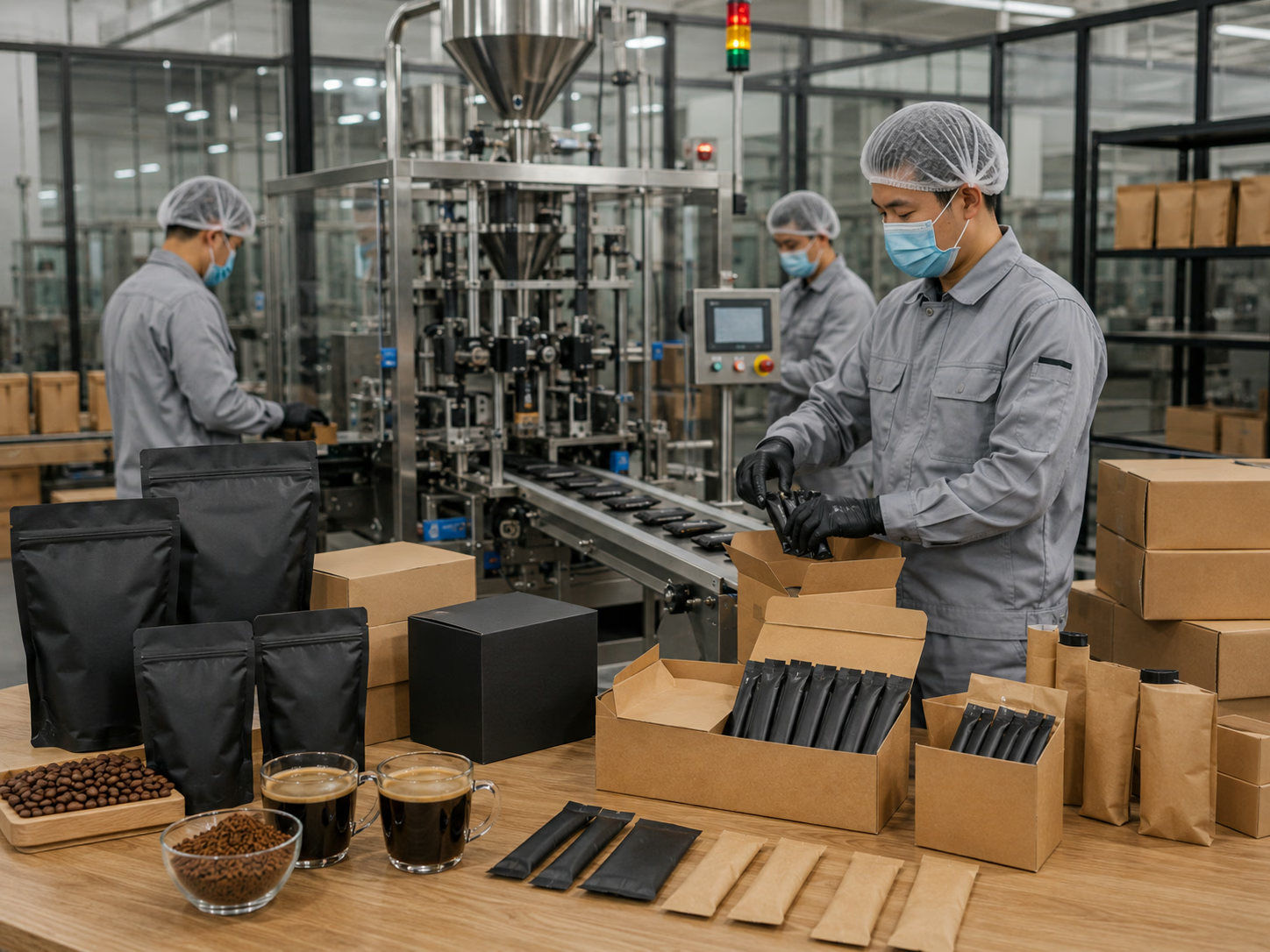
| Stick pack | Compact, modern and portable | Office, travel, e-commerce and retail |
| Sachet | Familiar format and larger printable area | Mass retail, hotels and distributors |
| Jar | Multiple servings and premium shelf presence | Home use and selected retail channels |
| Bulk pack | Lower packaging complexity per kilogram | Food service, industrial use or repacking |
What Affects MOQ?
MOQ can be affected by:
- Formula complexity.
- Serving weight.
- Production-line setup.
- Stock or custom-printed packaging.
- Printed film minimums.
- Retail box minimums.
- Testing and documentation.
- Ingredient purchasing requirements.
Buyers should request separate MOQ figures for samples, pilot production, the coffee formula, printed film, retail boxes and repeat orders.
What Affects Private Label Instant Coffee Cost?
- Instant coffee type and quality.
- Coffee dosage.
- Additional ingredients.
- Formula complexity.
- Serving size.
- Packaging material and printing.
- Order quantity.
- Testing and documentation.
- Carton configuration.
- Freight and delivery terms.
A quotation should be compared on a like-for-like specification. A lower price may be based on a weaker coffee formula, different serving size or excluded packaging costs.
Common Private Label Mistakes
Launching too many SKUs
Multiple flavors, sizes and packaging formats increase inventory, artwork and marketing complexity. A new brand should usually begin with one core product.
Printing packaging before formula approval
Formula revisions may change the ingredient list, nutrition information, preparation instructions or product name.
Choosing only by unit price
The lowest quotation may exclude sampling, printing, testing, cartons or export-related requirements.
Using vague quality terms
Words such as strong, smooth or premium are subjective. The approved specification and sample should define what the factory must reproduce.
Ignoring the destination market
Ingredient, label, claim and importer requirements can differ by country. These points should be checked before commercial production.
Buyer Checklist
- Product category confirmed.
- Target market and consumer defined.
- Flavor and price direction established.
- Reference product supplied where useful.
- Sample tested with target users.
- Formula and serving size approved.
- Product and packaging MOQ confirmed separately.
- Artwork completed after formula approval.
- Testing and document scope confirmed.
- Quality criteria and complaint process documented.
Frequently Asked Questions
Can I sell instant coffee under my own brand?
Yes. A private label manufacturer can produce and pack instant coffee under the buyer’s brand, subject to the approved formula, packaging, MOQ and agreement.
Do I need to provide a formula?
Not necessarily. A manufacturer with ODM or product-development capability may create a formula based on the target market, flavor and price brief.
Can I send a competitor product as a reference?
Yes. It can help communicate flavor direction, but the manufacturer may not reproduce it exactly because ingredients, equipment and specifications differ.
Can sweetness and coffee strength be customized?
Yes. Coffee intensity, sweetness, creaminess, aroma and serving size can be adjusted within manufacturing and commercial constraints.
Is the packaging MOQ different from the coffee MOQ?
It can be. Printed film, boxes, jars and other packaging components may each have their own supplier minimums.
Can private label instant coffee be prepared for export?
Yes, but the buyer must confirm the destination market’s ingredient, labeling, documentation and import requirements before production.
Discuss a Private Label Instant Coffee Project
HUCAFOOD supports private label instant coffee discussions for black coffee, 3-in-1 products and customized retail formats.
HUCAFOOD PRODUCTION – TRADING Co., Ltd.
Address: 9th Cluster, Hoa Bac Quarter, North Nha Trang, Khanh Hoa Province, Vietnam
Hotline/Zalo/WhatsApp: +84 949 212 222
Email: [email protected]
Conclusion
Private label instant coffee gives buyers a practical way to launch branded black coffee, 3-in-1 coffee and other soluble coffee products without building their own production facility. The project should begin with a clear target market, flavor direction, serving size, price and packaging brief.
Specific sample feedback, separate confirmation of product and packaging MOQ, and a written approved specification help reduce commercial risk. These steps also make it easier for the manufacturer to reproduce the product consistently across future orders.