
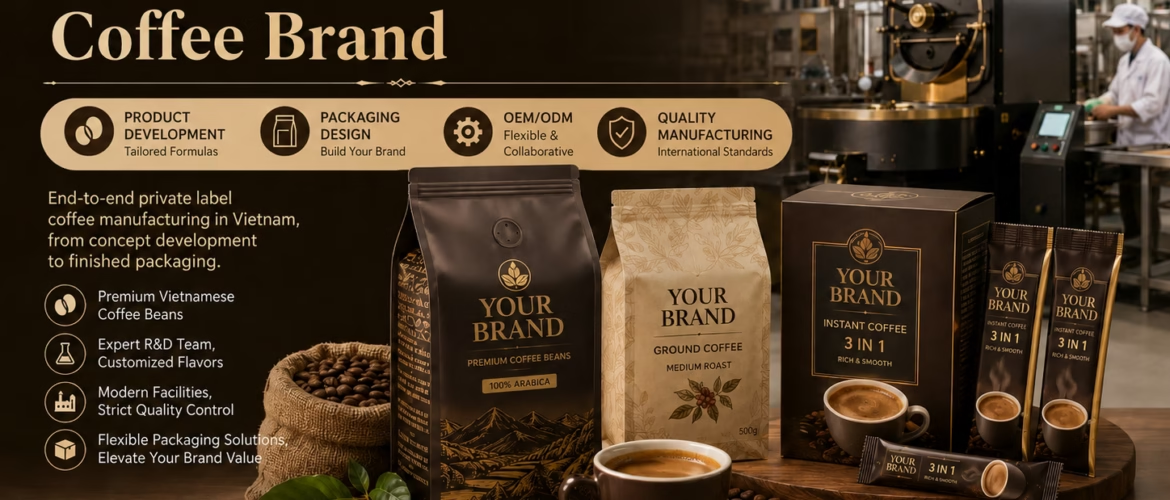
Private Label Coffee Vietnam: How to Build Your Own Coffee Brand
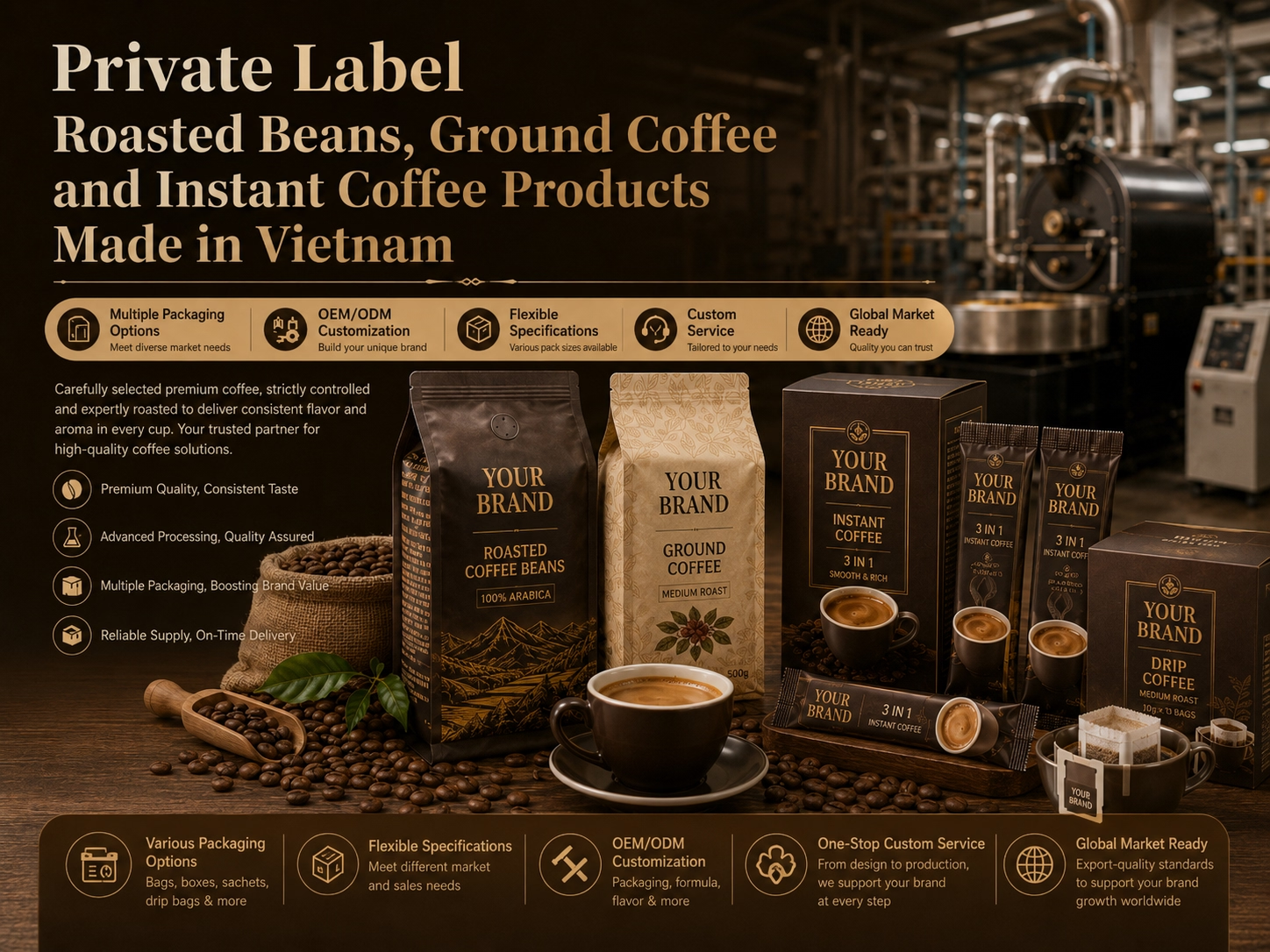
Private label coffee manufacturing allows a business to sell coffee under its own brand while a specialized factory handles product development, production and packaging.
A buyer may provide an existing coffee formula or work with a private label coffee manufacturer to develop a new product based on the target market, flavor preferences, price position and packaging requirements.
This model is suitable for importers, distributors, coffee shops, retailers, e-commerce businesses and new brands that want to enter the coffee market without building their own factory.
What is private label coffee?
Private label coffee is produced by a third-party manufacturer and sold under the buyer’s brand.
Depending on the project, the manufacturer may support:
- Raw material selection.
- Coffee blending.
- Roasting and grinding.
- Instant coffee production.
- Formula development.
- Sample preparation.
- Packaging.
- Quality control.
- Carton packing.
- Delivery preparation.
The buyer normally manages the brand identity, sales channels, marketing and customer relationships.
Private label describes how the product is sold. The manufacturing relationship may use an OEM or ODM model.
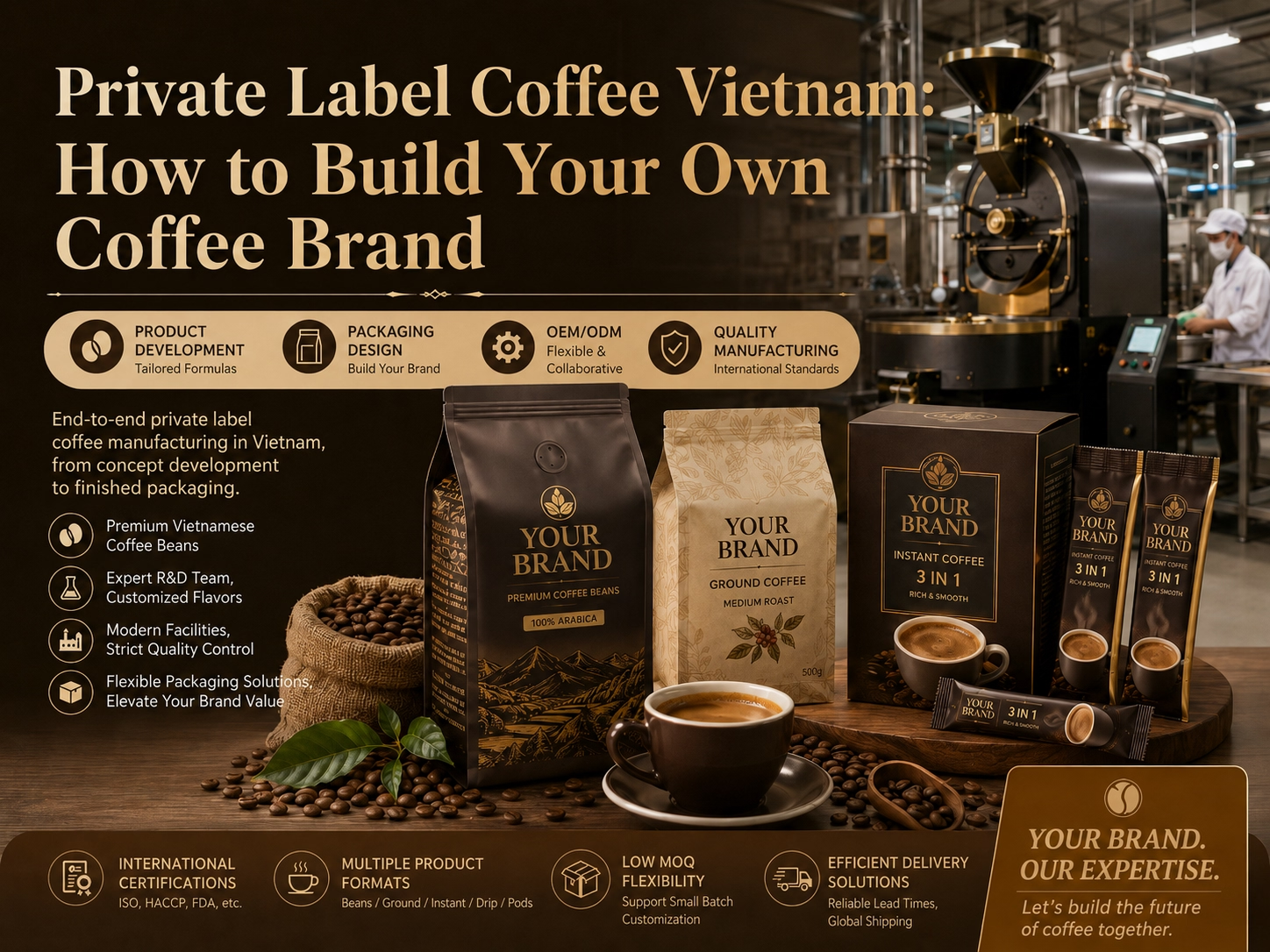
Why develop private label coffee in Vietnam?
Vietnam offers access to coffee materials and manufacturers with experience in roasted, ground and instant coffee products.
A business can work with a Vietnamese coffee OEM partner to develop products for domestic distribution, wholesale, retail or export.
Lower initial investment
The buyer does not need to immediately invest in roasting machines, grinding equipment, mixing systems, packing lines and factory staff.
Capital can instead be used for brand design, marketing, inventory and distribution.
Faster product development
An experienced private label coffee manufacturer already has production systems and sample development procedures.
This can reduce the time needed to turn a commercial idea into a product that can be manufactured at scale.
Flexible product range
A private label brand may begin with one core product and later expand into:
- Roasted coffee beans.
- Ground coffee.
- Instant black coffee.
- 3-in-1 instant coffee.
- 4-in-1 instant coffee.
- Single-serving sachets.
- Coffee for offices or hotels.
- Bulk coffee for foodservice.
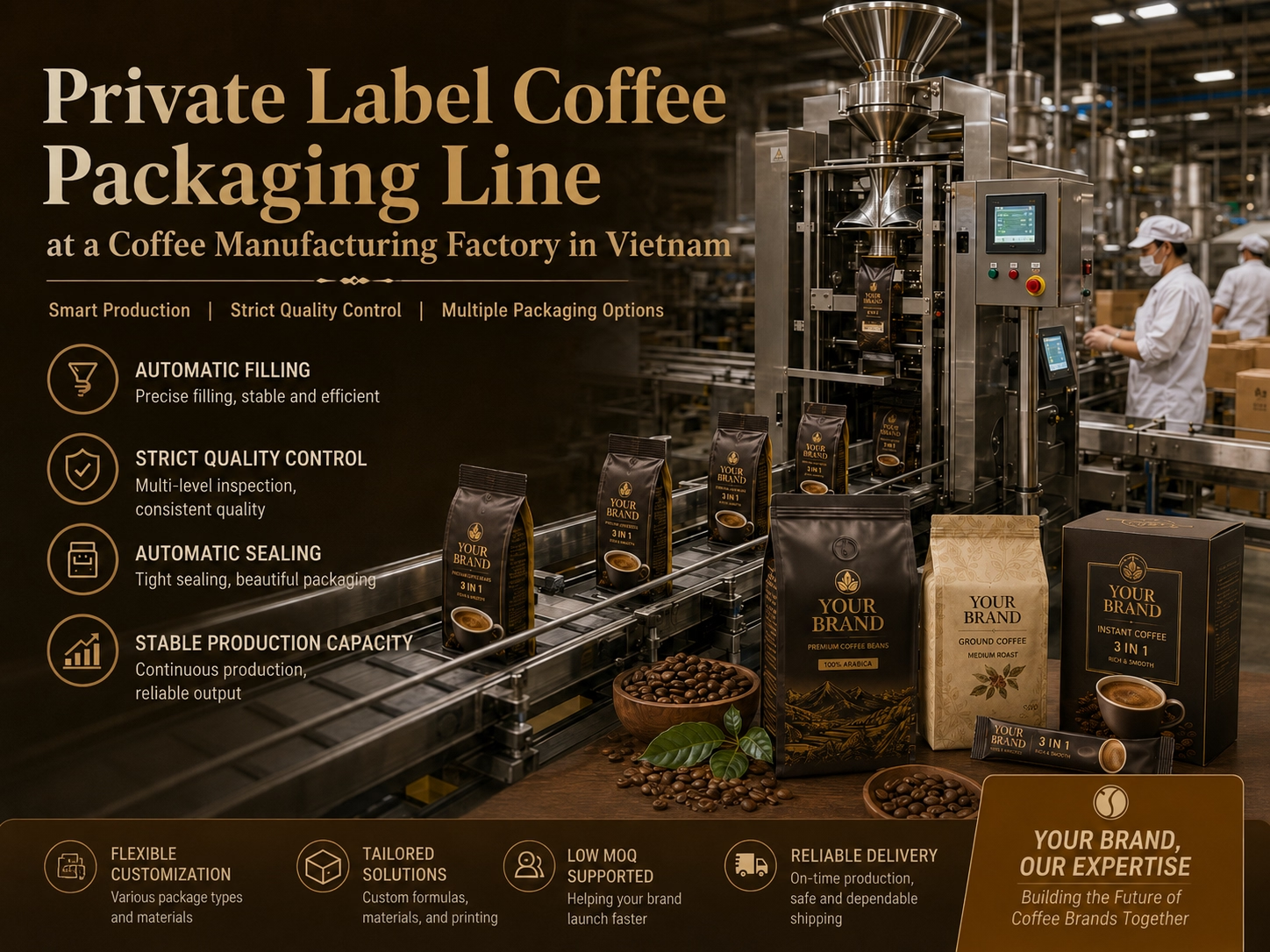
Step 1: Define the target customer
A successful coffee product should begin with a clear customer rather than a general product idea.
The buyer should answer questions such as:
- Which country or region will the product be sold in?
- Is the customer a consumer, café, hotel or distributor?
- Does the customer prefer strong or mild coffee?
- Is sweetness important?
- Will the product be used at home, in the office or in foodservice?
- Which sales channel will be used?
- What is the expected retail price?
- Is the main selling point taste, convenience, origin or packaging?
For example, office consumers may prefer a convenient stick pack. Coffee shops may need roasted beans in larger bags with a consistent espresso profile.
The clearer the customer profile, the easier it becomes to select the right product and formula.
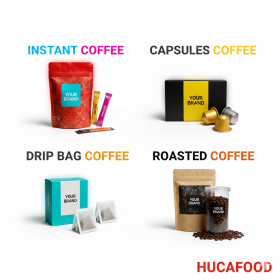
Step 2: Select the product category
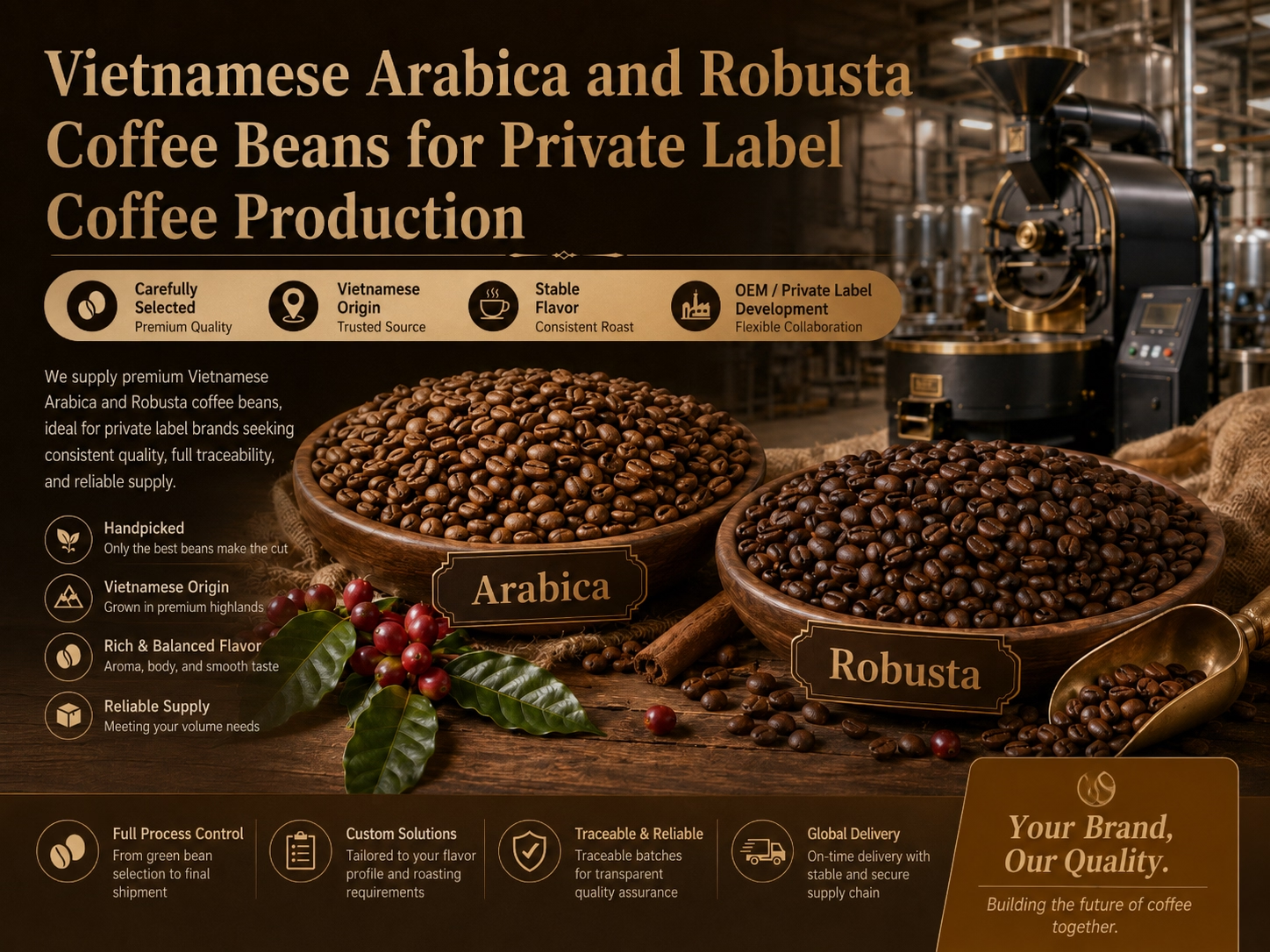
Roasted coffee beans
Roasted beans are suitable for cafés, restaurants, offices and consumers with coffee grinders or machines.
Buyers need to define the bean type, blend ratio and roast profile.
Ground coffee
Ground coffee may be developed for Vietnamese filters, espresso machines, pour-over brewing or other preparation methods.
The grinding size must match the intended brewing method.
Instant black coffee
Instant black coffee is suitable for consumers who value convenience but do not want sugar or creamer included in the formula.
3-in-1 and 4-in-1 instant coffee
These products are widely used in offices, retail stores, hotels and convenience-focused markets.
The formula may combine coffee, sugar, creamer and other permitted ingredients according to the target taste.
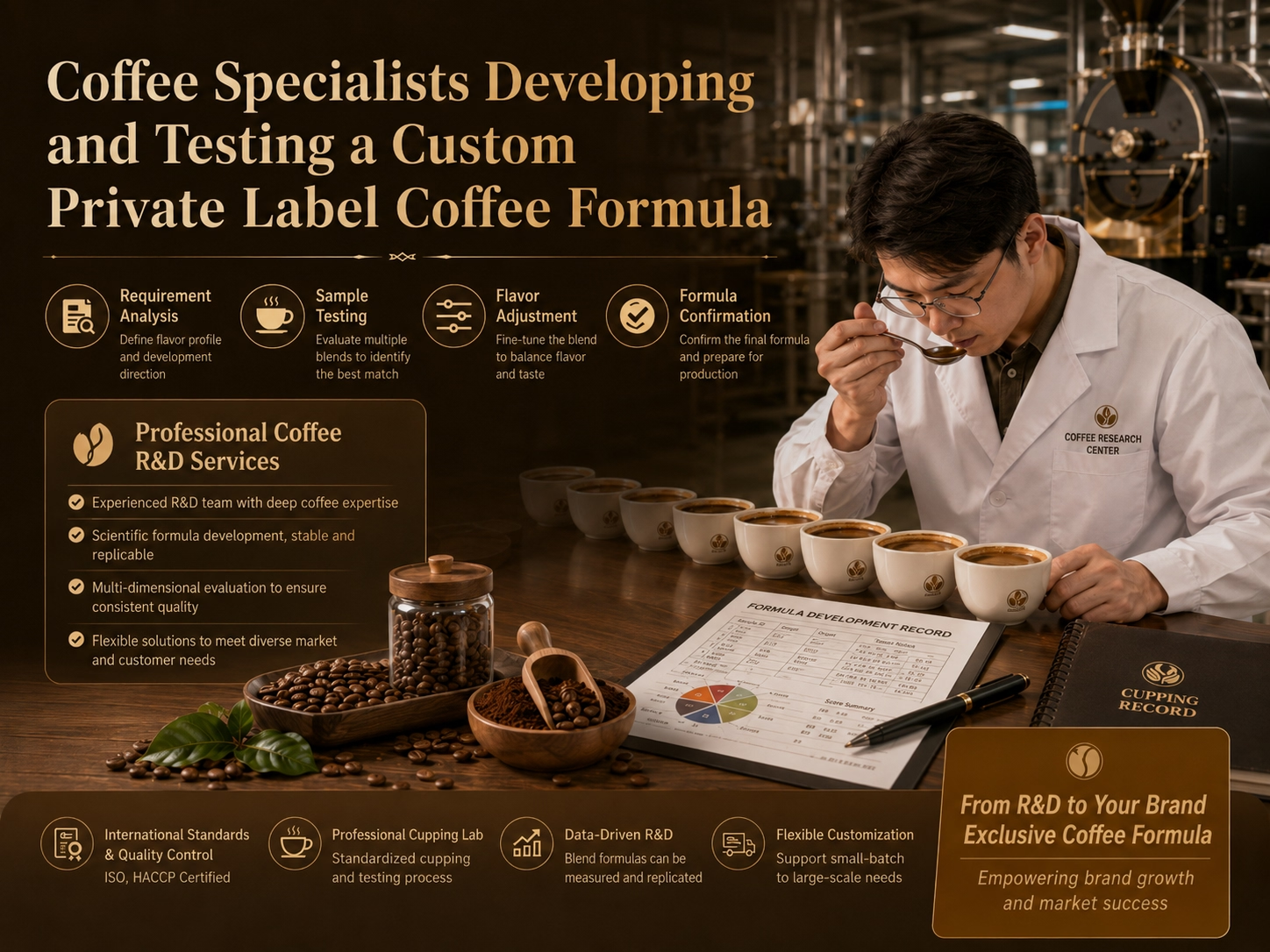
Step 3: Create a clear product position
Product positioning determines how the coffee should taste, look and compete.
Possible positions include:
- Strong Vietnamese-style coffee.
- Convenient coffee for office workers.
- Low-sugar instant coffee.
- Traditional filter coffee.
- Roasted coffee blends for cafés.
- Affordable 3-in-1 coffee.
- Premium coffee gift products.
A product should not attempt to serve every customer at the same time.
A clear position helps the manufacturer recommend realistic ingredients, packaging and production methods.
Step 4: Choose between OEM and ODM
An OEM coffee manufacturer is suitable when the buyer already has a formula, reference product and technical requirements.
The factory assesses production feasibility, creates confirmation samples and manufactures the product according to approved specifications.
An ODM partner provides more product development support. This option is useful when the buyer has a commercial idea but no finished formula.
ODM support may include:
- Material recommendations.
- Formula design.
- Flavor adjustment.
- Sample preparation.
- Packaging suggestions.
- Production feasibility testing.
Many private label projects begin with ODM development. Once the formula is approved, future orders can be manufactured according to fixed specifications.
Step 5: Develop and test samples
Sample development allows the buyer to evaluate the product before committing to mass production.
For roasted or ground coffee, buyers should evaluate:
- Aroma.
- Bitterness.
- Acidity.
- Body.
- Roast level.
- Aftertaste.
- Performance with the intended brewing method.
For instant coffee, buyers should also evaluate:
- Solubility.
- Sweetness.
- Creaminess.
- Coffee strength.
- Color.
- Aroma after mixing.
- Overall drinking experience.
Samples should be tested under the same conditions in which consumers will use the product.
The final approved sample should be retained as a production reference.
Step 6: Choose the packaging format
Packaging must protect the product, support production and communicate the brand clearly.
| Packaging format | Suitable product | Typical channel |
|---|---|---|
| 250 g or 500 g bag | Roasted beans, ground coffee | Retail and e-commerce |
| 1 kg bag | Roasted coffee beans | Cafés and foodservice |
| Stick pack or sachet | Instant coffee | Retail, office and hotels |
| Paper box | Multiple instant coffee sachets | Supermarkets and gifts |
| Jar or can | Instant or ground coffee | Mid-range and premium retail |
| Bulk bag | Coffee ingredients | Wholesale and B2B |
The packaging material should help reduce exposure to moisture, air and light.
The factory should confirm that the selected packaging is compatible with the filling and sealing equipment.
Step 7: Prepare the packaging information
Packaging content must accurately reflect the actual product.
Typical information may include:
- Brand name.
- Product name.
- Ingredient list.
- Net weight.
- Preparation instructions.
- Storage instructions.
- Production information.
- Expiry information.
- Batch identification.
- Responsible business information.
- Other information required by the destination market.
The buyer should verify spelling, ingredient order, serving size and technical details before printing large quantities.
Packaging should not be ordered too early. Formula changes may require changes to the ingredient list or product description.
Step 8: Estimate cost and minimum order quantity
The cost of private label coffee depends on more than the coffee itself.
Important factors include:
- Coffee type and quality.
- Formula complexity.
- Ingredient costs.
- Serving weight.
- Packaging material.
- Order quantity.
- Sample development.
- Custom printing.
- Testing requirements.
- Carton and delivery requirements.
Minimum order quantity may differ by product and packaging line.
Custom printed packaging usually requires a larger quantity than standard packaging with applied labels.
New brands should balance unit cost against realistic sales volume and inventory risk.
Step 9: Confirm production and quality standards
After the formula, sample, packaging and commercial terms have been approved, the factory can begin mass production.
Quality control may cover:
- Raw materials.
- Roast profile.
- Grinding size.
- Mixing ratios.
- Filling weight.
- Seal quality.
- Printed information.
- Batch coding.
- Sensory consistency.
The buyer and manufacturer should agree on the approved sample, technical specifications and acceptable tolerances before production begins.
Common private label coffee mistakes
Starting without a target customer
Without a defined consumer, decisions about flavor, packaging and price become inconsistent.
Printing packaging before approving the formula
Formula changes may affect the ingredient list, product name or preparation instructions.
Launching too many products
Too many products divide the budget and increase inventory risk. A new brand may benefit from starting with one or two core products.
Comparing only the factory price
The total cost also includes design, packaging, sample shipping, inventory, logistics, sales and marketing.
Failing to keep an approved reference sample
Without a reference sample, it is more difficult to evaluate consistency across future production batches.
Questions to ask a private label coffee manufacturer
Before selecting a supplier, buyers should ask:
- Which coffee products can the factory manufacture?
- Does it provide OEM, ODM or both?
- Can it develop custom formulas?
- What is the minimum order quantity?
- How many sample revisions are available?
- Which packaging formats are supported?
- How are formulas and confidential information protected?
- How is consistency controlled between batches?
- What is the expected production lead time?
- Can the manufacturer support export product documentation?
Clear answers help buyers compare suppliers based on capability rather than price alone.
Frequently asked questions
Can a startup create a private label coffee brand?
Yes. A startup can work with a coffee manufacturer instead of building a factory. The project should begin with a clear product brief and realistic order quantity.
Can I use my own coffee formula?
Yes. The manufacturer will need to review whether the formula is suitable for its equipment and mass production process.
Can the factory develop a formula for me?
Yes, when the manufacturer provides ODM or product development services.
Which product should a new brand launch first?
The best choice depends on the customer and sales channel. Instant coffee supports convenience, while roasted and ground coffee serve consumers with established brewing habits.
How long does private label coffee development take?
The timeline depends on sample revisions, packaging design, packaging production, raw materials and factory scheduling.
Conclusion
Building a private label coffee brand in Vietnam involves more than placing a logo on an existing product.
A strong project connects customer research, product positioning, formula development, packaging and quality control.
Buyers should begin with a detailed product brief covering the target market, product type, flavor direction, packaging, target cost and estimated quantity.
The right private label coffee manufacturer should provide stable production, transparent communication and the technical ability to turn a product concept into a consistent, market-ready coffee.

No comments yet.